by | ECONOMY, OBAMA
There is a persistent idea circulating that the current tax margins are really not all that high when compared to past rates. This line of thought is typically used as justifications that 1) the government deserves more revenue and 2) the wealthy taxpayers can afford higher taxes. The truth, however, is that obtusely higher rates in the past were rarely ever paid at that amount because they were easily offset by abundant tax deductions universally used by the wealthy. (more…)
by | BLOG, BUSINESS, FREEDOM
This past week, The Hill reported that the cost of Obama’s regulations for his first term were $518 billion, with nearly half of that –$236 billion – coming in the year 2012 alone. Expensive and prohibitive government policies such as these are the driving force behind the mass exodus of businesses abroad. (more…)
by | BLOG, HYPOCRISY, POLITICS, TAXES
As the Senate prepares to pass the Sandy Hurricane Relief Act for $50.5 Billion, it’s worthwhile to consider this piece of legislation within the bigger picture of looming the fiscal crises. No one will deny that those citizens who were affected by this catastrophic and legendary storm deserve help. However, the bill perfectly encapsulates the dysfunction of our Congress. In merely a few short weeks, Congress has managed to figure out how to fritter away a year’s worth of revenue that was raised — after many months of wrangling and negotiations. (more…)
by | BUSINESS, ECONOMY, TAXES
Obama wanted to let the Bush tax cuts expire for all. During his push all through election season, he tried to sweeten the deal with targeted tax breaks for small businesses. But this plan and strategy only clarified Obama’s lack of any real world business experience as well as his continuous capacity to undermine the economy. (more…)
by | BLOG, ECONOMY, FREEDOM, GOVERNMENT, TAXES
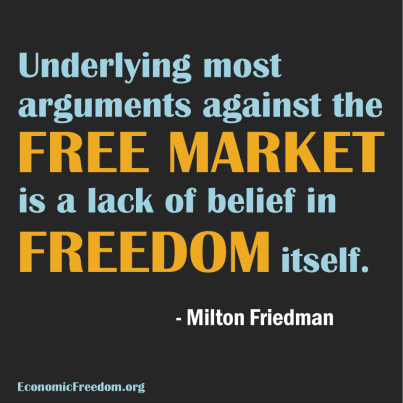
The question of additional taxes on the wealthy is really a liberty and equity issue, impinging on the very entrepreneurial environment that made our country great. At the heart of any monetary decisions should be free will, not a free lunch.
Stop and think about it for a minute. In my adult life, in a free country such as ours, it is entirely my judgment as to whether or not I want to work hard and try to earn a lot of money, and/or risk my money via investments. Such choices are made only after careful deliberation. And one of the factors going into that decision is how much tax I will pay on my winnings, my successes. That is why it is unequivocally immoral that our government – or any government – should feel it has the place and authority to come along after I earned my success and basically declare that because I have done well for myself, I should have to pay more to that government. This is legal plunder.
I have right and the liberty to factor into my decision making process what the government states I must owe under law, and decide whether that amount and calculation would be amenable to my overall situation and goals. The government has no right to retroactively come along and declare that I must detract from my commitment to invest in my self, my education, my career, or anything else because it needs a greater revenue stream. Why should I, who have proven myself to be successful (according to the government) have to give my success over to people who have proven to grossly mismanage our country’s finances?
When people say things such as Exxon makes X so many billions of dollars a year and therefore they can afford to pay more, such a statement only reflects the gross naivete and ignorance of basic financial rules. Without a frame of reference, unless that number is coupled with how much money was invested or needed to be invested in order to earn that earnings figure, such a statement is worthless rhetoric. If a company makes $10 billion, but has $100 billion invested in the company (which is quite typical for major corporations), that would be a 10% return.
When put into that perspective of how much was invested to get that ROI, 10% isn’t quite so much. Would you invest millions or billions for the risk of a 10% return or the risk of losing it all? Most would not. If you have money invested in something like a bank that is a very safe investment, but you also get a pretty low return. If you are investing in something in which you have the chance of losing, you risk everything hoping to get that 10, 15, 20% return. With any investment, be it oil or a bowling alley business, you would not have access to that kind of risk capital unless it was strongly anticipated to get that larger-than-safe-return: you risk losing it all. And yet, many companies and individuals still make the investment. Good for them.
So then with those who were able to make a decent return on investment, Obama’s tax policies are simply a death wish for our country. If we go out in the free market looking at companies and individuals investing millions and billions a year, and the government leaves alone the ones who do poorly on their investments but leeches onto the winners, the successful ones, this is what it essentially tells them: you were so successful, we want and deserve a piece of your success. We are happy, though, to allow you to lose your money alone.
Doesn’t everyone see the lunacy and disingenuousness of going after the oil companies when oil is $100 a barrel but ignoring them when oil is $20 a barrel? Or screaming about their 4% profits yet say nothing about the government’s gas tax of about 18 cents per gallon? This type of targeted hypocrisy only supplies us with 1) more political posturing and talking points and 2) attempts at additional revenue streams.
Having a policy to target the winners with an additional tax after they become winners will eventually destroy those winners because no one will want to invest or earn over a certain threshold. This will stymie and financially ruin our country, founded upon the backs of small businesses, hard work, entrepreneurship, free minds, free society, and free economy.
Those who are prosperous should be given the same liberty to manage their success as any other citizen, not additional tax penalties. How can we honestly and morally take extra money from those taxpayers who have been able to create wealth and employment successfully and give it to the government and politicians who manage to continuously and egregiously squander income?
by | ECONOMY, TAX TIPS, TAXES
Most people like receiving a tax refund – it’s kind of like a windfall for many people, especially those for whom saving is a difficult discipline. However, getting a big tax refund from the IRS may not necessarily be the best thing for you in certain situations.
Try to think about your refund in a different way. Essentially, you are giving the government an interest-free loan, which they give back to you when you file your taxes. There’s really no reason to do that, other than you like the surprise surplus.
A lot of people don’t like the idea of owing the government, or are afraid they will not have the money available at tax time to pay the bill. That is a valid concern. However, if you adjust your withholding enough so that you owe on April 15th, that also means you have more money in your paycheck each month.
In reality, whether you owe the government or they owe you, the amount of tax collected is virtually the same. The difference is whether you have your taxes paid for you via your paycheck, and have a smaller paycheck because of it (and a refund in the spring), or whether you set the money aside on your own and have a little bit more to take home from work every pay period.
If you set your withholding so that you’ll owe at tax time, you are in essence holding your own money longer. This can be helpful in situations such as being in debt, where payments are due every month. By having extra in your paycheck due to having less money deducted for taxes, you could use the extra money to pay a little more on your debt, thereby reducing the amount of interest you pay in the long run. Some people prefer this approach.
Whether you like to keep your own money until tax time or whether you prefer the windfall method, you can achieve this your preference by going to visit your Human Resources administrator. If you want more money in your paycheck – and possibly owing the IRS, claim more dependents. If you prefer a refund, claim fewer dependents. The form to make changes on is called a W-4. It’s always good practice once a year to review your tax and financial situation and make adjustments as necessary.
You can also find this article over at my Examiner.com page — where you’ll be able to find other tax preparation advice from me.